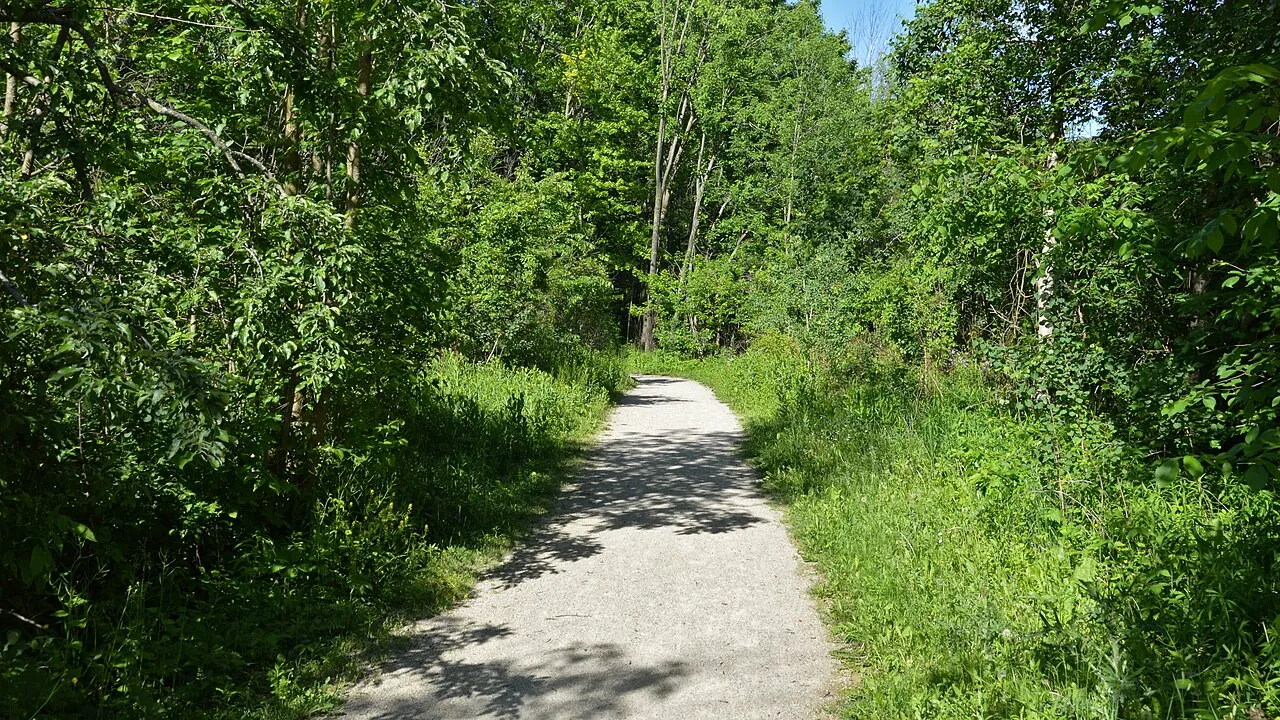
A straight-talking guide to relocating here — what it costs, where to live, and what nobody tells you about Guelph's bike paths and historic charm.
Get free immigration help


Guelph is cheaper than Waterloo but pricier than Cambridge. Groceries and utilities are moderate, while transport costs rise with car ownership. Housing is competitive, especially near the university.
All figures update monthly from live listings — prices shift with seasonality and demand.
Tree-lined streets and boutique shops, but parking is scarce and expensive.
Affordable rentals and vibrant nightlife, but noise and density can be overwhelming.
Parks, schools, and quiet streets, but farther from amenities and jobs.
Cozy, tree-lined neighborhoods with character, but aging infrastructure and limited services.
Guelph’s schools are solid but not top-tier, with Waterloo’s tech sector offering better career opportunities. Commuting to Cambridge takes 15 minutes, while Kitchener and Waterloo are 20-minute drives. Public transit is sparse, so car ownership is essential for most.

Cost of living and paperwork are only half the story. For the day-to-day — events, food, the real feel of each neighbourhood — cross to our sister guide.
Everyday life in Guelph on Tiny Local AdventurePathways, provinces, and first-city planning.
Planning guideCanada pathway and settlement planning for Indian applicants.
Planning guideCompare community, cost, jobs, and province fit.
Planning guideWhere to land after COPR or PR approval.
Planning guideSchool, city, PGWP, and PR planning.
Talk to a licensed immigration consultant (RCIC) or lawyer — a free, no-obligation chat about your pathway, timeline, and whether Guelph is the right place to land.
General info, not legal advice — for your case, talk to a licensed professional.